Durability Meets Beauty with Engineered Wood Siding
Engineered wood siding is a composite material made from wood strands, fibers, or particles that are bound together with resins and adhesives. The material is compressed and often treated with wax, zinc borate, or other chemicals to resist moisture, rot, and insects.
At Elite Home Exteriors NW, we specialize in professional Siding installation for homes across Portland, Vancouver, and surrounding metro areas. Our expert installers ensure your home gets the protection and performance it deserves.
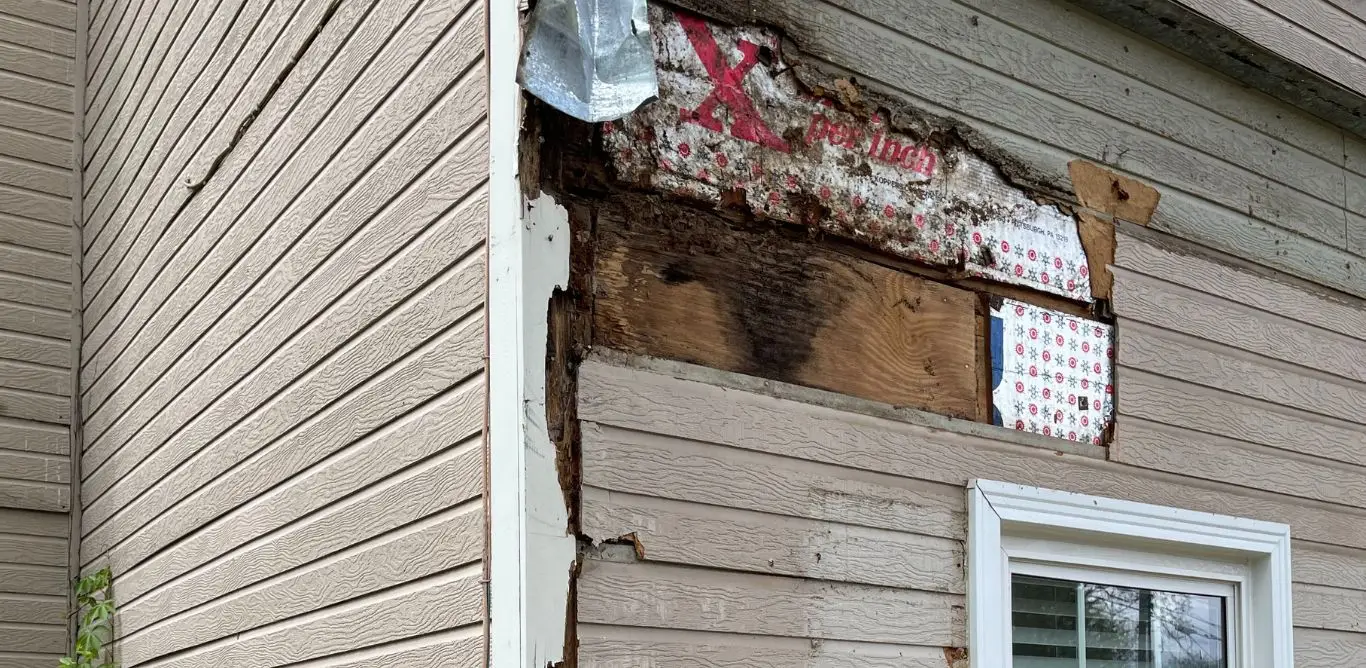
The specific reason engineered wood siding gained a negative reputation in the Pacific Northwest is due to a widespread, catastrophic failure of certain early-generation composite wood products installed on thousands of homes in the late 1980s and early 1990s.
The constantly wet, rainy, and humid climate of the Portland and Vancouver areas created the ideal environment to expose the defects in these older materials:
Vulnerability to Moisture Intrusion: Unlike modern, re-engineered products, this earlier material was highly susceptible to moisture absorption if the surface seal or paint was compromised. Once water penetrated the board, it could not easily escape.
Warping and Delamination: When the composite core absorbed water, the wood strands would swell. This process degraded the adhesive binders, leading to the siding planks to warp, crack, swell, and delaminate (come apart in layers).
Rot and Fungal Growth: Trapped moisture combined with the organic wood material resulted in extensive dry rot and fungal decay—including reports of mold and mushrooms growing directly from the siding—which often spread to the structural components of the home.
Widespread Failure and Litigation: The sheer scale of the product failure in rainy climates led to major class-action lawsuits and settlements in the mid-1990s, cementing the poor reputation of engineered wood siding among local homeowners, builders, and inspectors.
While newer engineered wood products (such as those introduced after 1997) have been significantly redesigned with different manufacturing processes and stronger protections to resist moisture, the memory of the original product’s failure remains a powerful cautionary tale in the Pacific Northwest housing market. For any siding in this wet climate, durable, moisture-resistant materials and meticulous installation are considered non-negotiable.


Engineered wood siding is a manufactured product made from wood fibers, resins, and waxes that are compressed and treated to create a more uniform and durable alternative to traditional wood siding. It’s designed to offer the look of real wood while improving resistance to moisture and pests.
Engineered wood siding can perform better than traditional wood, but it still has vulnerabilities in the Pacific Northwest’s wet climate. Constant rain, humidity, and limited drying time can eventually impact its performance—especially if it’s not installed or maintained properly.
While it’s more durable than natural wood, engineered wood siding can still experience issues over time, including:
Like many siding types, once moisture gets behind the surface, problems can escalate quickly.
Yes. Although it’s treated to resist moisture, engineered wood siding is still wood-based. If water penetrates the protective coating or gets into unsealed edges, it can lead to rot, swelling, and structural damage over time.
With proper installation and maintenance, engineered wood siding can last 20–30 years. However, in high-moisture environments like the Pacific Northwest, lifespan can be shorter if the system is exposed to repeated water intrusion or lacks proper moisture management.
Watch for these warning signs:
These symptoms often indicate moisture is getting into or behind the siding.
Minor damage can sometimes be repaired, but like other siding systems, issues are often more extensive beneath the surface. If moisture intrusion is widespread, repairs may only provide a temporary solution.
Replacement is often recommended when:
A full replacement allows for proper inspection, repair of underlying damage, and installation of a more reliable system.
James Hardie fiber cement siding is specifically engineered for climates like Portland, OR and Camas, WA, where moisture control is critical.
Key advantages include:
It provides a more permanent solution compared to engineered wood, especially in wet environments.
Yes. Upgrading to fiber cement siding like James Hardie can:
If you’re noticing signs of damage or wear, the best step is to schedule a professional inspection. Identifying moisture issues early can help prevent costly structural repairs and guide you toward the best long-term solution.
Visit our FAQ page to learn more about siding materials, moisture protection systems, and why homeowners in Portland, OR and Vancouver, WA trust Elite Home Exteriors NW for expert siding replacement and long-lasting exterior solutions.
As a top-rated siding contractor serving Portland and Vancouver, we bring:
We help you choose the best style and finish for your home, and we back our work with strong warranties and satisfaction guarantees.



 Verified
 Verified


 Google
 Yelp
 BBB